Introduction to Online Games
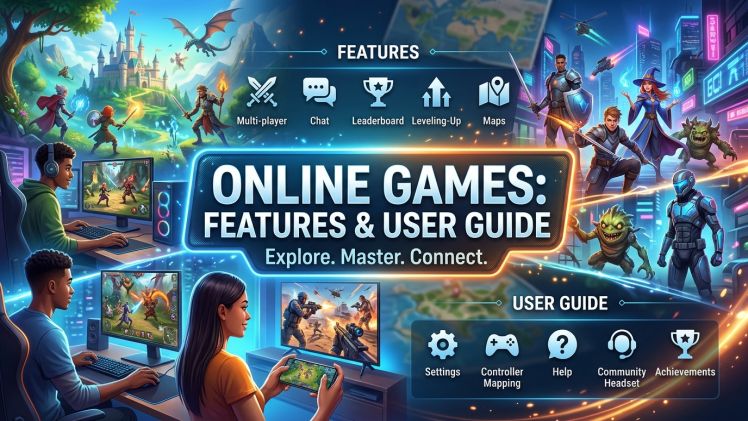
Online games offer an entertaining way to explore digital worlds, compete with other players, and enjoy interactive experiences from home. Whether you prefer puzzles, strategy challenges, multiplayer adventures, or slot games, online platforms provide options for different interests and skill levels. Understanding their features helps beginners choose suitable games, navigate interfaces, and enjoy gaming responsibly.
Platforms like DEWA222 may attract users seeking accessible gaming experiences. Before exploring any platform, review its available features, registration requirements, privacy practices, and local legal restrictions. Careful selection can help you understand the rules, spot potential risks, and make informed decisions before creating an account or playing.
Popular Types of Online Games
Online gaming includes several categories, each offering a different experience. Casual games feature simple controls and short sessions, making them suitable for quick entertainment. Puzzle games challenge memory, logic, and problem-solving skills through increasingly difficult tasks.
Multiplayer games connect participants for cooperative missions or competitive matches. Strategy games reward planning and thoughtful decisions, while role-playing games let players develop characters and explore detailed environments. Sports simulations recreate familiar activities, and racing games focus on speed and precision.
Slot-style games use symbols, reels, and random outcomes. Some involve real-money wagering, while others provide entertainment without financial stakes. Always check the rules, age restrictions, and payment conditions before participating in any game involving money.
Key Features of Online Gaming Platforms
User-Friendly Interface
A clear interface helps players locate games, understand menus, and access account settings. Organised categories, readable instructions, and responsive controls make navigation easier, particularly for beginners using smartphones.
Mobile Compatibility
Many gaming platforms support mobile browsers or dedicated applications. Responsive layouts allow users to play on different screen sizes without sacrificing essential controls. Before installing an application, verify its source, permissions, and compatibility with your device.
Account Management
Account dashboards may display profile information, preferences, activity history, and security options. Use strong passwords and enable two-factor authentication when available to protect your personal information. Never share verification codes or login credentials with strangers.
Payment and Transaction Options
Some platforms offer deposits, withdrawals, subscriptions, or purchases. Review transaction fees, minimum limits, processing times, and refund conditions before paying. Use trusted payment methods and avoid services that promise unrealistic earnings.
Customer Support
Reliable support helps users resolve technical problems, understand account policies, and report suspicious activity. Look for accessible contact methods and clear explanations of complaint procedures before relying on a platform.
How to Get Started
First, select a platform that matches your interests, device, and experience level. Read its terms of service, privacy policy, and eligibility requirements before proceeding.
Next, create an account only if you need one. Provide accurate information, choose a unique password, and enable additional security features when available. Confirm that the website address is legitimate before entering personal details.
Then, explore the game library and read instructions for your chosen title. Beginners should start with free demonstrations or practice modes when available. These options help explain controls, scoring systems, and game mechanics without requiring an initial payment.
Finally, adjust sound, graphics, and notification settings to suit your preferences. Test the experience before committing substantial time or money.
Tips for a Better Gaming Experience
Use a stable internet connection to reduce interruptions and improve responsiveness. Keep your browser, operating system, and gaming applications updated to benefit from security improvements and performance fixes.
Set reasonable session limits and take regular breaks, especially during long gaming periods. For competitive games, focus on learning mechanics rather than winning every match. Avoid sharing sensitive personal information through public chats or unfamiliar communities.
If a game involves wagering, establish a strict spending limit and never gamble with borrowed money or funds needed for essentials. Treat gambling as entertainment, not a reliable income source. Stop if playing causes financial stress or becomes difficult to control.
Online Gaming Safety and Responsible Play
Keep safety a priority throughout your gaming experience. Check whether a platform uses secure connections, publishes transparent policies, and provides meaningful account controls. Be cautious of unsolicited downloads, suspicious links, fake promotions, and requests for confidential information.
Parents should review age ratings, communication features, spending controls, and privacy settings before children access online games. Players should also understand applicable laws in their location and avoid platforms that cannot establish legitimate operating practices.
Conclusion
Online games provide varied entertainment through accessible interfaces, mobile compatibility, multiplayer features, and diverse genres. By understanding platform features, checking security practices, learning game rules, and setting sensible limits, beginners can make better choices. Choose reputable services, protect personal information, and keep gaming balanced with everyday responsibilities for a safer, more enjoyable experience.